

Dealership blog
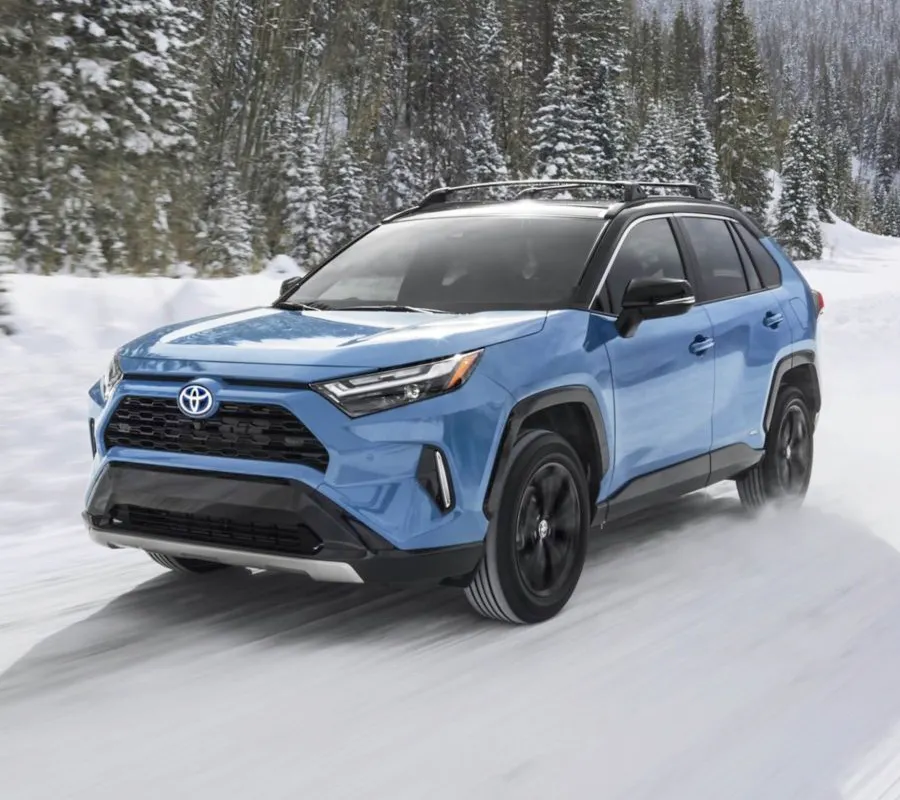
Toyota AWD vs. FWD: Which Is Better for Milwaukee Winters?
Winter driving in Milwaukee can bring everything from light snow and freezing rain to icy intersections and snow-covered neighborhood streets. Whether you’re commuting along I-94, traveling through downtown Milwaukee, or navigating suburban roads after a winter storm, choosing the right vehicle can make a difference in your driving experience.
One question Toyota shoppers frequently consider is whether all-wheel drive (AWD) or front-wheel drive (FWD) is better for Wisconsin winters. Both have advantages, but understanding how they perform in snow and ice can help you choose the right Toyota for your needs.
At Umansky Toyota, we’re breaking down the differences between AWD and FWD, how each performs during Milwaukee winters, and which Toyota models are worth considering. If you’re already shopping, you can also explore our new Toyota inventory to compare available vehicles and drivetrain options.
What’s the Difference Between AWD and FWD?
The main difference between all-wheel drive and front-wheel drive is how engine or motor power reaches the wheels.
Front-Wheel Drive (FWD)
Front-wheel-drive vehicles send power to the front wheels. Because the front wheels are responsible for both steering and moving the vehicle forward, FWD can provide predictable handling during everyday driving.
Many FWD vehicles also benefit from having significant weight over the driven wheels, which can help with traction in certain slippery conditions.
Advantages of FWD include:
- Often a lower purchase price than comparable AWD configurations.
- Generally better fuel efficiency than comparable gasoline-powered AWD vehicles.
- Predictable handling during normal road conditions.
- Adequate winter performance when equipped with appropriate tires and driven carefully.
For Milwaukee drivers who primarily travel on regularly plowed city streets and highways, a FWD Toyota equipped with quality winter tires may be a practical and economical choice.
All-Wheel Drive (AWD)
All-wheel-drive vehicles can distribute power between the front and rear wheels to help improve traction when road conditions become slippery.
Depending on the Toyota model, AWD systems may use mechanical components or electric motors to provide power to additional wheels when needed.
Advantages of AWD include:
- Improved traction when accelerating on snow-covered or slippery roads.
- Additional confidence when starting from a stop on slick surfaces.
- Helpful capability for unplowed driveways and snowy neighborhood streets.
- Greater flexibility for drivers who frequently encounter changing road conditions.
For Wisconsin drivers who regularly travel before roads are cleared or encounter deeper snow, AWD may offer a meaningful advantage.
Is AWD Better Than FWD in Snow?
AWD generally provides an advantage over FWD when accelerating on slippery surfaces because it can send power to additional wheels.
For example, imagine pulling away from a stoplight after several inches of snow have fallen. An AWD Toyota may be better able to distribute power to wheels with available traction, helping the vehicle get moving with less wheelspin.
However, that advantage does not extend equally to every aspect of winter driving.
AWD does not automatically improve braking performance or eliminate the risk of sliding on ice. Once a vehicle is moving, stopping distance and cornering grip depend heavily on tire traction, road conditions, vehicle speed, and driver inputs.
This distinction is especially important during Milwaukee winters, when packed snow and black ice can create hazardous conditions even on familiar roads.
Why Winter Tires Matter More Than Many Drivers Realize
One of the most important factors in winter driving isn’t the drivetrain. It’s the tires.
Winter tires are designed with rubber compounds and tread patterns that help maintain traction in cold temperatures, snow, and icy conditions.
A FWD vehicle equipped with appropriate winter tires may provide better braking and cornering traction on snow and ice than an AWD vehicle using tires that are poorly suited to winter conditions.
When comparing AWD and FWD for Wisconsin winters, remember:
- AWD primarily helps a vehicle accelerate when traction is limited.
- Winter tires improve traction during acceleration, braking, and cornering.
- Neither AWD nor winter tires eliminate the dangers of ice or severe winter weather.
- Maintaining appropriate speeds and following distances remains essential.
For drivers who regularly encounter challenging winter conditions, pairing AWD with quality winter tires can provide a particularly useful combination.
Which Toyota Models Offer AWD?
Toyota offers AWD across several vehicle categories, giving Milwaukee shoppers options beyond traditional SUVs.
Whether you’re interested in a fuel-efficient sedan, a family SUV, or a vehicle with additional capability, there are several models worth exploring.
Toyota RAV4: A Versatile Choice for Milwaukee Drivers
The Toyota RAV4 is a popular option for drivers who want SUV versatility without moving into a larger vehicle.
AWD-equipped RAV4 models can provide additional traction when accelerating on snowy roads, while the SUV’s cargo space makes it practical for groceries, sports equipment, and weekend travel.
For Milwaukee commuters who want a balance of efficiency, passenger space, and winter capability, the RAV4 is worth considering. Drivetrain availability depends on the model year and configuration.
Toyota Camry: AWD Capability in a Sedan
Drivers don’t necessarily need an SUV to benefit from AWD.
The Toyota Camry offers available electronic on-demand AWD in recent model years, giving sedan shoppers an option that combines everyday comfort with additional traction when road conditions become slippery.
For drivers who commute throughout Milwaukee and prefer the driving characteristics of a sedan, an AWD Camry can be an appealing alternative to a larger SUV.
Toyota Corolla Cross: Compact SUV Practicality
The Toyota Corolla Cross combines compact dimensions with the higher seating position and cargo flexibility many SUV shoppers appreciate.
Available AWD on applicable configurations makes it worth considering for drivers who want a smaller vehicle that’s easy to maneuver through Milwaukee streets while still offering additional winter traction.
It may be particularly appealing to shoppers who want SUV versatility without the size of a midsize vehicle.
Toyota Highlander and Grand Highlander: Family-Focused Options
For families who need additional passenger space, the Toyota Highlander and Grand Highlander offer available AWD configurations depending on model year and powertrain.
These SUVs provide additional seating flexibility and cargo room, making them useful for school activities, family travel, and winter road trips.
AWD can be especially helpful when starting on snow-covered roads with passengers and cargo onboard, although proper tires and careful driving remain important.
Toyota Prius: Efficiency With Available AWD
The Toyota Prius demonstrates that drivers don’t have to give up fuel efficiency to gain access to AWD.
Recent Prius models offer available electronic on-demand AWD, making them worth considering for Milwaukee drivers who prioritize fuel economy but want additional traction during winter driving.
AWD availability varies by model year and configuration, so compare the specifications of individual vehicles before purchasing.
What About Toyota Trucks and Four-Wheel Drive?
If you’re considering a Toyota Tacoma or Tundra, you’ll likely encounter another drivetrain term: four-wheel drive, commonly written as 4WD or 4×4.
Although AWD and 4WD both provide power to multiple wheels, they are not always designed to operate in the same way.
Many AWD systems automatically adjust power distribution as conditions change. Traditional truck-oriented 4WD systems often include driver-selectable settings intended for challenging terrain or low-traction conditions.
Toyota trucks equipped with 4WD may appeal to drivers who:
- Regularly drive on unpaved or poorly maintained roads.
- Need a truck for work or recreational activities.
- Travel to rural Wisconsin destinations during winter.
- Want additional capability beyond typical city commuting.
If you’re interested in a pickup, explore our available Toyota trucks to compare Tacoma and Tundra configurations. Always follow the vehicle owner’s manual when selecting 4WD settings, particularly on dry pavement.
AWD vs. FWD: Which Is More Fuel Efficient?
Fuel efficiency is another consideration when choosing between AWD and FWD.
In many comparable gasoline-powered vehicles, FWD configurations achieve slightly better fuel economy because AWD systems can add weight and mechanical complexity.
However, the difference varies by model and powertrain. Toyota’s hybrid AWD systems use different designs, and some provide strong fuel efficiency despite offering power to additional wheels.
For Milwaukee drivers who spend most of their time commuting on cleared roads, FWD may offer an attractive combination of efficiency and affordability. Drivers who frequently encounter snowy or slippery conditions may decide the additional traction of AWD is worth the potential difference in cost or fuel consumption.
Is AWD Worth the Extra Cost in Wisconsin?
Whether AWD is worth the additional cost depends on your driving habits, where you live, and how often you encounter winter road conditions.
Consider AWD if you:
- Frequently drive before snowplows have cleared the roads.
- Have a steep driveway or regularly encounter snowy hills.
- Travel outside Milwaukee on rural or less frequently maintained roads.
- Want additional traction when accelerating in slippery conditions.
FWD may be sufficient if you:
- Primarily drive on regularly plowed city streets and highways.
- Prioritize purchase price and fuel efficiency.
- Can avoid driving during severe winter storms.
- Plan to use appropriate winter tires during colder months.
There isn’t a universal answer. The best choice depends on your budget, comfort level, and the winter conditions you encounter most often.
Winter Driving Tips for Milwaukee Toyota Owners
Regardless of whether you choose AWD or FWD, preparing your vehicle for winter is essential.
Check Your Tires
Inspect tire tread depth and pressure regularly. Cold temperatures can reduce tire pressure, and worn tires may struggle to maintain traction on snow or ice.
Increase Following Distance
Snow and ice can significantly increase stopping distances. Leave extra room between your vehicle and the traffic ahead.
Accelerate and Brake Gradually
Sudden acceleration, hard braking, and abrupt steering can reduce traction. Smooth inputs help maintain vehicle stability.
Prepare for Changing Conditions
Winter weather can change quickly in southeastern Wisconsin. Keep your windshield washer fluid topped off, maintain your battery, and consider carrying an emergency kit with warm clothing, a flashlight, and other basic supplies.
Should You Buy a New or Used Toyota With AWD?
Milwaukee shoppers can find AWD options in both new and used Toyota vehicles.
A new Toyota may offer the latest available drivetrain technology, safety features, and vehicle equipment. However, a used Toyota with AWD can also provide winter-driving capability at a different price point.
When shopping for a used AWD vehicle, pay attention to tire condition, maintenance history, drivetrain operation, and the specific AWD system offered for that model year.
You can compare our new Toyota vehicles and used vehicle inventory to explore available options that fit your needs and budget.
Find the Right Toyota for Milwaukee Winters at Umansky Toyota
Both AWD and FWD can be practical choices for Wisconsin drivers. AWD offers an advantage when accelerating on slippery surfaces, while FWD can provide dependable everyday transportation when paired with appropriate tires and careful driving.
For drivers who regularly encounter snow-covered roads, AWD may provide additional confidence. For those who primarily travel on maintained streets and highways, FWD may offer the right balance of efficiency, affordability, and winter capability.
At Umansky Toyota, Milwaukee-area shoppers can compare a variety of Toyota cars, SUVs, and trucks with different drivetrain configurations.
Explore our available inventory or contact Umansky Toyota to learn more about which Toyota models may be best suited to your winter driving needs.
Explore Toyota Vehicles for Wisconsin Driving
Compare available Toyota cars, SUVs, and trucks to find the right combination of traction, comfort, and everyday capability.
Frequently Asked Questions About AWD vs. FWD in Wisconsin
Is AWD necessary for Milwaukee winters?
AWD isn’t necessary for every Milwaukee driver, but it can improve traction when accelerating on snowy or slippery roads. FWD vehicles equipped with appropriate winter tires can also perform well in winter conditions, particularly on regularly maintained roads.
Is AWD safer than FWD on icy roads?
AWD can improve traction when accelerating, but it doesn’t automatically shorten stopping distances or prevent sliding on ice. Tire quality, vehicle speed, road conditions, and careful driving are critical for winter safety.
Which Toyota models offer all-wheel drive?
Toyota offers AWD on several models, including applicable configurations of the RAV4, Camry, Corolla Cross, Highlander, Grand Highlander, and Prius. Availability varies by model year, trim, and powertrain.
Do I still need winter tires if my Toyota has AWD?
Winter tires are strongly recommended for drivers who regularly encounter snow and ice. AWD helps with acceleration, while winter tires improve traction during acceleration, braking, and cornering.
Does AWD use more gas than FWD?
In many comparable gasoline-powered vehicles, AWD can reduce fuel efficiency slightly because of added weight and drivetrain components. However, the difference depends on the vehicle and powertrain, and some Toyota hybrid AWD systems remain highly fuel efficient.